 Save Pin
 The beauty of a grain bowl hit me one Tuesday afternoon when I was staring into my nearly empty fridge, mentally exhausted from the usual dinner question. I had some leftover rice, a handful of vegetables that needed rescuing, and suddenly it clicked—why not just layer everything in one place and let people build what they actually want to eat? That casual kitchen experiment became something I make on autopilot now, and honestly, it's the most forgiving dish I've learned to trust.
I made these for a casual Sunday lunch with friends who have wildly different eating styles—one vegetarian, one avoiding gluten, one who just eats whatever looks good. Instead of cooking four separate meals, I set out the components and watched everyone build their own perfect bowl. The relieved looks on their faces when they realized they weren't compromising on what they actually wanted to eat made the prep time feel totally worth it.
Ingredients
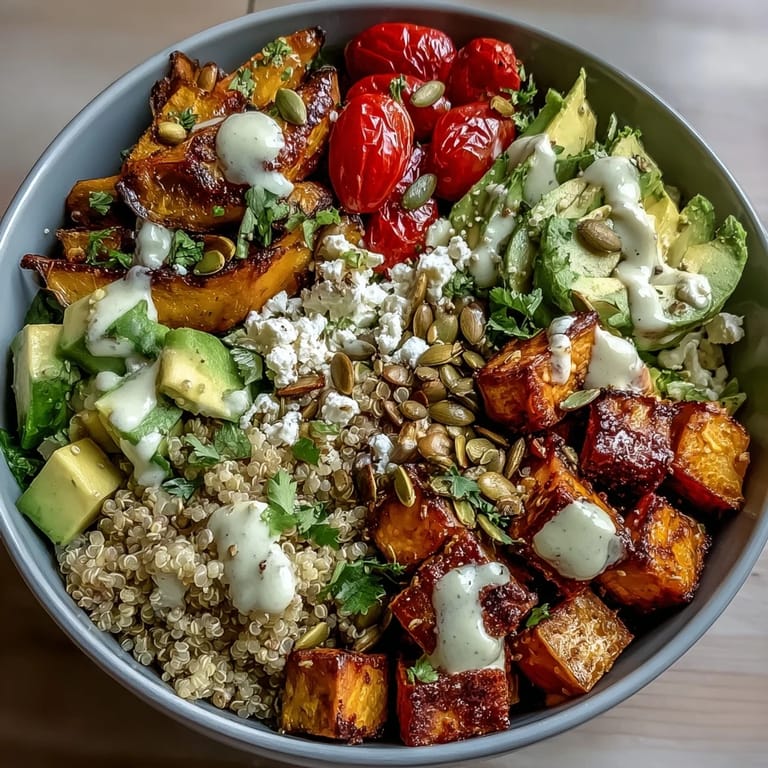
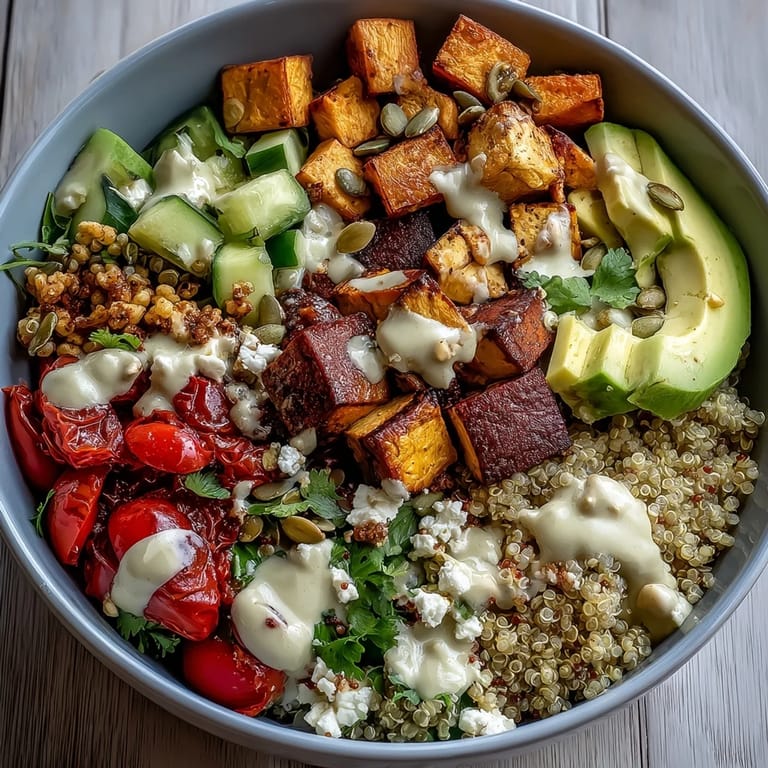
- Grains (choose 1–2): Brown rice, quinoa, farro, or couscous all work beautifully—pick whatever appeals to you that day or use up what's already cooked in your fridge.
- Proteins (choose 1–2): Chicken breast, baked tofu, chickpeas, or shrimp let you match your hunger level and dietary needs without any fuss.
- Vegetables (choose 3–4): Mix raw and roasted vegetables—the contrast in texture actually matters more than you'd think, and it keeps things interesting.
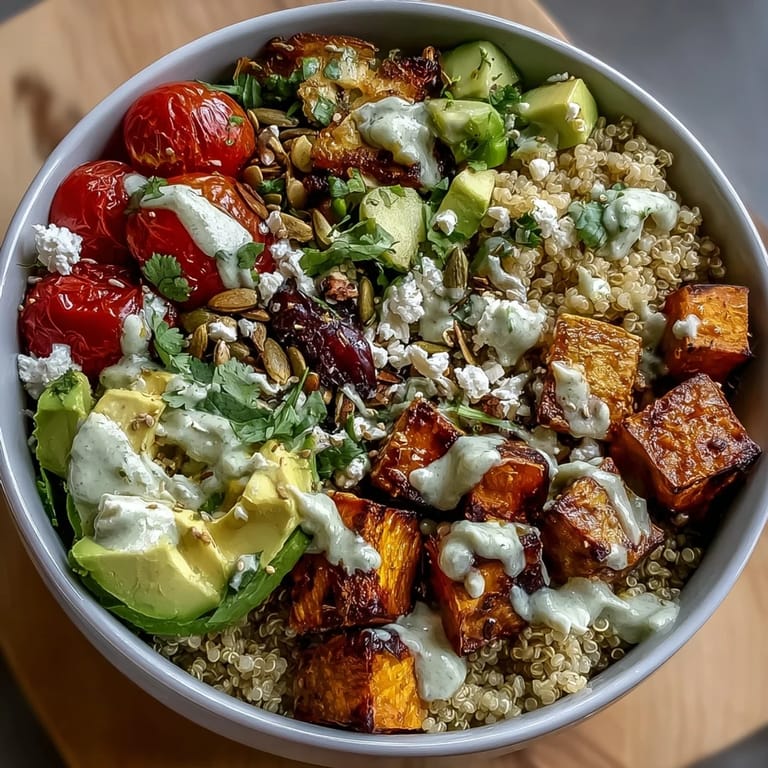
- Cherry tomatoes: Halved tomatoes burst with sweetness and prevent that watery bowl situation when you wait too long to eat.
- Cucumber: Diced cucumber stays crisp longer than you'd expect and adds a refreshing pause between bites.
- Roasted sweet potato: Cubed and roasted, it becomes almost caramelized and grounds the whole bowl in comfort.
- Steamed broccoli florets: They soften just enough to be pleasant while keeping their structure when tossed with dressing.
- Shredded carrots: Raw shredded carrots bring a brightness that somehow makes everything else taste more vibrant.
- Avocado: Sliced fresh avocado is pure richness and should always go in last or it'll bruise before you eat it.
- Feta cheese (optional): A quarter cup of crumbled feta adds a salty, tangy note that ties disparate flavors together.
- Toasted seeds or nuts: Pumpkin seeds or almonds add the crunch that makes a bowl feel intentional rather than assembled.
- Fresh herbs: Chopped cilantro or parsley scattered on top feels like the finishing touch that signals you care.
- Sesame seeds: A tablespoon scattered across everything adds visual appeal and a subtle nuttiness.
- Dressing (choose 1): Lemon-tahini, balsamic vinaigrette, soy-ginger, or green goddess—let your mood guide this choice because the dressing is what ties everything together.
Tired of Takeout? 🥡
Get 10 meals you can make faster than delivery arrives. Seriously.
One email. No spam. Unsubscribe anytime.
Instructions
- Cook your grains:
- Follow package instructions and let them cool slightly so they're warm but not steaming when you build your bowl. This matters because warm grain against cold vegetables creates a pleasant temperature contrast.
- Prepare your protein:
- Use leftovers if you have them, or cook your chosen protein fresh—chicken breast takes about 15 minutes, tofu benefits from a quick pan-sear to add texture, and chickpeas just need draining and rinsing. Cut everything into bite-sized pieces so the bowl feels cohesive rather than chunky.
- Wash and prep vegetables:
- Roast harder vegetables like sweet potato and broccoli for about 20 minutes at 400°F if you want them caramelized, or leave them raw for brightness. The combination of textures is what makes this work.
- Assemble your base:
- Scoop grain into each bowl first—it's your foundation and keeps everything else from sliding around. Then arrange proteins and vegetables in a way that makes you happy to look at.
- Add toppings and texture:
- Sprinkle cheese, seeds, nuts, and herbs across the top so you get a bit of everything in each bite. This is the moment it stops looking like leftovers and starts looking intentional.
- Dress right before eating:
- Drizzle your chosen dressing generously just before you start eating so nothing gets soggy if you're not finishing it immediately. If you're meal prepping, keep the dressing separate and add it when you're ready to eat.
 Save Pin
 There's something quietly satisfying about eating a meal where every element is exactly what you wanted, not what someone decided was the standard. It's the opposite of compromise, and that feeling somehow extends beyond just the food into a moment of genuine contentment.
The Dressing Makes Everything
I learned this the hard way by assembling a perfect bowl and drowning it in the wrong dressing, which turned vibrant vegetables into muted mush. The dressing isn't a finishing touch—it's the element that wakes everything up and ties disparate flavors into a conversation. Lemon-tahini brings creaminess and a subtle earthiness that makes chickpeas feel luxurious, while soy-ginger adds an umami depth that transforms simple vegetables into something crave-worthy. Balsamic vinaigrette works beautifully when you've gone heavy on roasted vegetables, and green goddess is your friend when you want herbs to be the main character.
Building for Meal Prep
The secret to meal prep success with these bowls is keeping components separate until you're ready to eat, which feels like extra work until you realize you're avoiding the dreaded soggy grain situation that haunts most prepared meals. I layer things in containers with dressing in its own small compartment, and it stays fresh and appealing for three days, which somehow feels like a miracle in the world of meal prep. The beauty is that each component can be prepped independently—grains and proteins on Sunday, vegetables whenever the mood strikes, dressings made in batches and stored in jars.
Customization Without Apology
This is the only recipe where leaving things out or swapping them is encouraged rather than viewed as failure, and that feels revolutionary in a world of rigid recipe rules. Your dietary restrictions aren't obstacles to work around—they're just parameters that make your bowl distinctly yours. Skip the grain entirely and use cauliflower rice or a bed of leafy greens if you're going low-carb, add pickled vegetables or kimchi if you want funky and bright, or pile on extra protein if you're trying to feel full longer. The formula is loose enough to bend in any direction and still taste like something intentional and delicious.
- Swap any grain for cauliflower rice, leafy greens, or even leftover pasta if you're feeling adventurous.
- Layer in pickled vegetables, kimchi, or hot sauce for extra flavor complexity without much effort.
- Cook proteins in bulk at the start of the week and mix them throughout your bowls so no meal feels identical.
 Save Pin
 A customizable bowl is less a recipe and more a permission slip to stop overthinking dinner and just build something that makes you feel nourished and happy. Once you realize how simple this actually is, you'll find yourself making them on repeat, adjusting based on what's in your kitchen and what your body is craving that day.
Recipe Questions
- → What grains work best for these bowls?
Brown rice, quinoa, farro, and couscous all provide excellent bases. Choose according to preference—quinoa offers complete protein while farro adds chewy texture. For lower carbohydrates, substitute cauliflower rice or leafy greens.
- → How do I make this vegan?
Select plant-based proteins like baked tofu or chickpeas. Skip feta cheese and ensure dressings are dairy-free. Most components are naturally vegan, making adaptation simple while maintaining full flavor and nutrition.
- → Can I prepare these in advance?
Yes, these bowls meal prep exceptionally well. Store grains, proteins, vegetables, toppings, and dressing separately in airtight containers. Components stay fresh for 4-5 days refrigerated. Assemble just before serving for best texture.
- → What vegetables provide the most flavor?
Roasted sweet potatoes add natural sweetness and hearty texture. Cherry tomatoes bring brightness while cucumber offers refreshing crunch. Steamed broccoli provides substance, and creamy avocado adds richness. Mix raw and roasted for variety.
- → Which dressing complements most combinations?
Lemon-tahini offers creamy, nutty richness that pairs universally. Balsamic vinaigrette provides bright acidity. Soy-ginger adds Asian-inspired depth while green goddess delivers herbaceous freshness. Keep several options on hand to vary flavors throughout the week.
- → How many servings does this yield?
This combination yields 4 generous servings. Adjust quantities proportionally for larger groups or meal prep batches. Each bowl balances carbohydrates, protein, and vegetables for complete nutrition in one dish.