 Save Pin
 My coworker Sarah swore by these grain bowls for her lunch rotation, and honestly, I was skeptical until I made one on a Tuesday morning when my fridge felt chaotic. I had half a container of quinoa, some roasted chickpeas, and whatever vegetables hadn't wilted yet, and somehow it all came together into something genuinely delicious. That's when I realized this bowl wasn't about perfection or fancy techniques—it was about working with what you have and letting the simplicity speak for itself.
I made these bowls for a potluck where everyone was supposed to bring something fancy, and I almost didn't go through with it. But when I showed up with four beautiful bowls arranged on a platter, people actually went back for seconds. One friend asked for the recipe that same night, and now she texts me photos of her own variations. It became this thing we bonded over, this casual, nourishing thing that somehow mattered more than any complicated dish ever could.
Ingredients
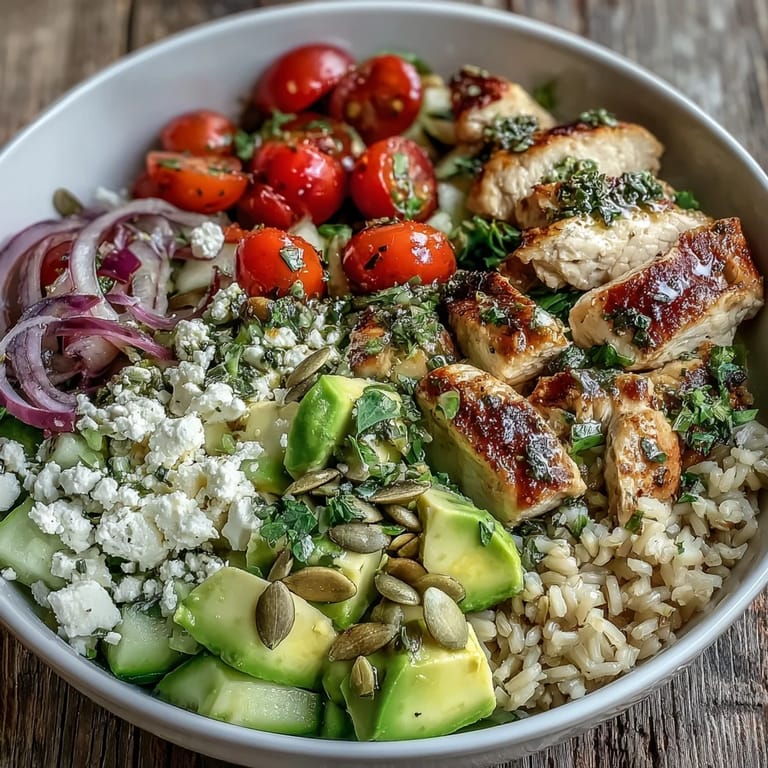
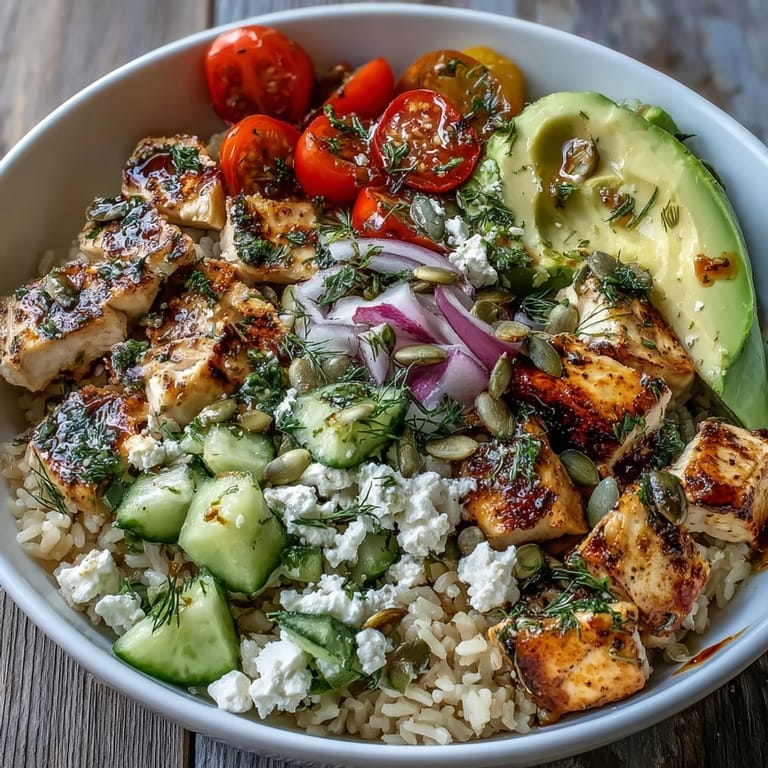
- Brown rice, quinoa, or farro: This is your foundation, and choosing one depends on your mood—rice feels grounding, quinoa adds nuttiness and protein, farro brings chewy texture and earthy flavor.
- Chickpeas, chicken, tofu, or shrimp: Pick whatever speaks to you that day, or mix two kinds if you're feeling adventurous and want different textures throughout.
- Cherry tomatoes: Halve them just before assembly so they stay bright and don't get watery sitting in the bowl.
- Cucumber: Dice it into generous pieces so each bite has substance and crunch.
- Shredded carrots: Raw is perfect here for that crisp sweetness that balances the earthiness of the grain.
- Avocado: Slice it moments before serving to prevent that grayish oxidation that makes it look sad.
- Red onion: Thin slices give a sharp, bright bite that cuts through richer proteins beautifully.
- Feta cheese: Crumble it generously if you're using it—the creaminess anchors everything together.
- Toasted pumpkin seeds: These add a satisfying crunch that keeps the bowl from feeling too soft.
- Fresh herbs: Don't skip these; they make the difference between a bowl that tastes assembled and one that tastes alive.
- Olive oil, lemon juice, apple cider vinegar, Dijon mustard, garlic: This dressing is bright without being heavy, and it brings every single component into conversation.
Tired of Takeout? 🥡
Get 10 meals you can make faster than delivery arrives. Seriously.
One email. No spam. Unsubscribe anytime.
Instructions
- Start your grain with intention:
- Pour your chosen grain into a medium saucepan with the water amount listed on the package, bring it to a boil, then lower the heat and let it simmer undisturbed. You'll know it's done when the liquid absorbs and little steam holes appear on the surface—this is your cue to turn off the heat and let it rest for five minutes.
- Build your protein layer:
- If using chicken, season it and grill or pan-sear it until golden at the edges and cooked through. For tofu, cube it, season generously, and pan-sear each side until it gets a golden crust that holds in the flavor. Chickpeas can go straight from the can if you're in a hurry, or you can warm them gently with a touch of oil and spice.
- Make the dressing with confidence:
- Whisk together the olive oil, lemon juice, vinegar, mustard, and minced garlic in a small bowl, tasting as you go and adjusting the acid or salt to your preference. The magic happens when these elements are balanced—it should feel bright on your tongue without any single flavor dominating.
- Compose your bowl with care:
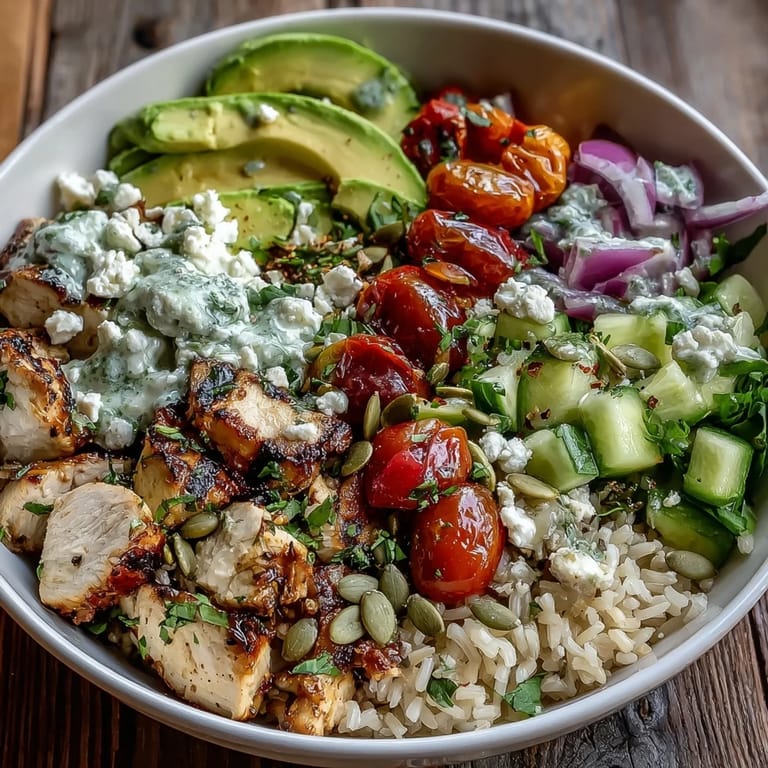
- Spoon your slightly cooled grain into a bowl as your base, then arrange the protein and vegetables around it like you're creating something beautiful. Layer everything in a way that makes you happy visually, because eating with your eyes happens first.
- Dress and serve immediately:
- Drizzle the dressing just before eating so the vegetables stay crisp and the grain absorbs the flavors without turning soggy. This small timing detail is what separates a great bowl from one that feels tired by lunch.
 Save Pin
 There was a morning when I made these bowls for my mom who'd been stressed about finding something nutritious and quick for her work lunches. She called me later that week just to say it changed how she approached eating, that she felt better. Something about this simple bowl did that—it wasn't fancy, but it was thoughtful and nourishing in a way that mattered.
Building Flavor Layers
The secret to a grain bowl that doesn't feel flat is understanding that each component plays a role in the overall taste. The grain is your stage, the protein is your anchor, but the vegetables and herbs are what make people excited to eat it. I learned this after making my first bowl with a beautiful grain and protein but forgetting the herbs—it tasted incomplete, like something was missing even though nothing was technically wrong. Adding those bright green notes at the end transformed it from nutritious to actually delicious, and that's when I started thinking about these bowls as compositions rather than just combinations.
Why Meal Prep Gets Easier
Once you make a few of these, the pattern becomes second nature, and that's when you realize why people love them so much. You can cook your grain on Sunday when you have time, roast your protein while you're doing other things, and chop vegetables whenever fits your schedule. There's no fragile timing, no complicated technique that requires constant attention, which means you actually stay consistent with meal prep instead of abandoning it by week two. I started keeping premeasured portions of nuts and seeds in little jars so assembly became almost meditative, and honestly, that's been the biggest shift in my eating habits.
Customization That Actually Works
The beauty of this formula is that it never gets boring because you're not locked into anything—next week could look completely different from this week. You can lean into seasonal vegetables, switch between grains based on what sounds good, or choose proteins depending on your mood or what's on sale. I've made versions that are Mediterranean, Asian-inspired, Middle Eastern, or just whatever vegetables looked beautiful at the farmers market. The structure holds everything together, but the freedom inside that structure is what keeps you coming back.
- Taste the dressing while you're making it and adjust before it goes on the bowl, because fixing it after everything is assembled is impossible.
- Toast your pumpkin seeds in a dry pan for just two minutes if they're not already toasted—they go from bland to nutty incredibly fast.
- Cut your avocado thinner than you think you should so every spoonful includes that creamy element without any bites being avocado-heavy.
 Save Pin
 These bowls remind me that good food doesn't need to be complicated to matter. They've become my answer to countless situations—rushed mornings, potlucks, dinners when I'm tired, lunches that need to be nutritious, and moments when I want to feel like I'm taking care of myself.
Recipe Questions
- → What grains work best for grain bowls?
Brown rice, quinoa, and farro all work beautifully. Choose based on texture preference—quinoa offers light fluffiness, farro provides chewy substance, and rice delivers neutral versatility. Each grain holds up well to dressings and toppings.
- → How do I prevent grain bowls from becoming soggy?
Serve dressing immediately before eating, or pack it separately for meal prep. Let cooked grains cool completely before assembling—excess moisture creates sogginess. Pat watery vegetables like cucumber lightly with a paper towel before adding.
- → What proteins work well in grain bowls?
Chickpeas provide plant-based protein and creamy texture. Grilled chicken adds lean substance. Pan-seared tofu absorbs flavors beautifully. Shrimp offers quick-cooking elegance. Choose based on dietary needs and flavor preferences.
- → Can I make these bowls ahead for meal prep?
Absolutely. Cook grains and proteins in batches. Store grains, proteins, vegetables, and dressing in separate containers. Assemble bowls within 4-5 days. Keep avocado fresh with a squeeze of lemon juice and tight storage.
- → How do I make the dressing more flavorful?
Let the dressing sit for 30 minutes before using to meld flavors. Add honey or maple syrup for sweetness, or include fresh herbs like basil or cilantro. Adjust acid levels with extra lemon juice or vinegar to taste.