 Save Pin
 There&aposs something magical about the soft fizz of rosé uncorked in the kitchen while sunlight spills across your counter. This recipe was born out of a sheer urge to celebrate: candles dancing, laughter just starting, someone asking what smells so sweet. Pink velvet isn&apost simply a look—it&aposs the memory of swirling batter, a blush of anticipation, rosy droplets blurring into creamy folds. The gold drip felt like a dare to embrace a little luxury, the kind that makes you pause and grin mid-stir. Rosé in a cake? Once you try it, extravagance will feel entirely reasonable.
I still remember the sound of clinking glasses as we crowded into my friend&aposs kitchen, three of us fussing nervously with the frosting before the bridal shower guests arrived. Someone had the idea to dab edible flowers across the top, and suddenly the cake seemed to wink back at us, ready for its big entrance. We laughed at the streak of gold across my knuckles, evidence of a wonky drip attempt that turned into the prettiest accident on the platter. That room felt glittery and bright, as if the celebration had started well before dessert. Now, every time I brush on the gold, I think about how a cake can carry so much more than just flavor.
Ingredients
- All-purpose flour: Opt for a brand you trust; sifting helps keep the crumb light and even.
- Cornstarch: Just a little boosts tenderness—combine thoroughly with flour to avoid lumps.
- Unsweetened cocoa powder: It&aposs only a hint, but it deepens the hue and flavor in subtle ways.
- Baking soda: Don&apost skip—this is key for lift, especially with the acidity of rosé and buttermilk.
- Salt: Even with so much sweetness, this pinch is what balances and brightens everything.
- Unsalted butter: Room temp is non-negotiable for that fluffy, aerated base.
- Granulated sugar and light brown sugar: Bringing in warmth and softness; blending both gives flavor dimension.
- Large eggs: Add one at a time for silky, not curdled, batter—pausing to scrape the sides between each.
- Rosé wine: Splurge on a aromatic bottle you&aposd sip—its notes come through in the final crumb.
- Buttermilk: The secret weapon for that plush, fine texture; don&apost substitute regular milk!
- Vanilla extract: A dash boosts the gentle floral notes in the cake, especially with rosé.
- Pink gel food coloring (optional): If you want a dramatic cake, this is how to achieve that blush without bitterness.
- Cream cheese: Let it fully warm up—cold cheese leads to lumpy frosting.
- Powdered sugar: Sift for a cloudlike finish and easier mixing into the frosting.
- White chocolate chips and heavy cream: This pairs for a glossy, manageable drip; don&apost overheat.
- Edible gold luster dust and clear vodka/lemon extract: You only need a few drops—too much will thin out the paint, so go slow.
- Edible flowers or berries: Optional, but they give a dreamy, celebratory finish your guests won&apost forget.
Tired of Takeout? 🥡
Get 10 meals you can make faster than delivery arrives. Seriously.
One email. No spam. Unsubscribe anytime.
Instructions
- Prep your pans and oven:
- Start by greasing three 8-inch pans and lining the bases—trust me, the cakes will tumble out beautifully later if you don&apost skip this. Set your oven to 350°F (175°C) and let it preheat as you measure your ingredients.
- Sift the dry mix:
- I like to whisk flour, cornstarch, cocoa, baking soda, and salt over a big bowl—it feels like prepping for a painting, and it removes any sneaky lumps.
- Cream the butter and sugars:
- Let the mixer run till things look pale and billowy, about 3–4 minutes; listen for that satisfying hum as the mixture transforms.
- Add eggs and vanilla:
- Add eggs one by one, mixing well after each, watching the batter turn glossy before drizzling in vanilla.
- Mix rosé and buttermilk:
- In a jug, combine rosé and buttermilk and give it a quick swirl—pause to notice the subtle blush it takes on!
- Combine wet and dry:
- With the mixer on low, alternate adding flour mixture and rosé-buttermilk mixture, starting and ending with flour; add pink color if you want a vibrant cake.
- Prepare to bake:
- Divide the batter evenly—use a scale if you want perfectly even layers—and smooth the tops with a spatula.
- Bake, then cool:
- Bake for 28–32 minutes, or until a toothpick comes out clean. Let the cakes cool in their pans for about 10 minutes, then gently turn them onto a wire rack to finish cooling.
- Make the frosting:
- Beat together cream cheese and butter until smooth, then add powdered sugar slowly. Once fluffy and creamy, stir in vanilla and finish with a pinch of salt.
- Assemble the cake:
- Layer with frosting between each cake tier, then smooth it all around the sides. Chill the whole cake for 30 minutes to make decorating simpler.
- Do the gold drip:
- Melt white chocolate chips and cream until glossy and smooth. Once it cools slightly, let it drip around the cake edge for dramatic effect—don&apost rush!
- Paint the gold finish:
- Mix gold luster dust with a drop of vodka or lemon extract, then brush over the cooled white chocolate drips. If you&apose feeling extra, top with edible flowers or a sprinkle of gold leaf.
 Save Pin
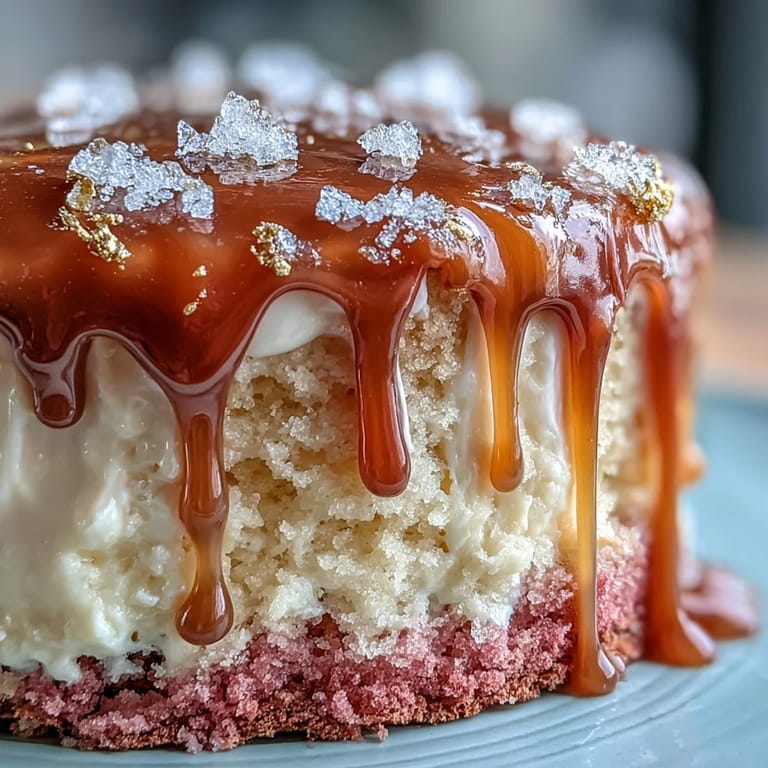
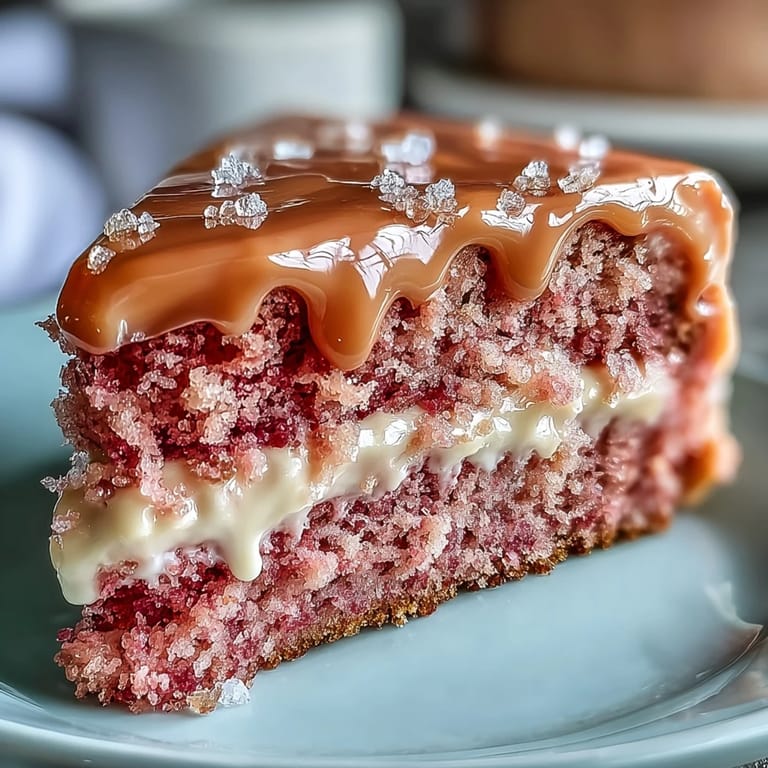
 After the last petal was pressed in place and the gold drips shone in the afternoon light, I realized this cake had turned a gathering of friends into something close to a shared victory. More than a centerpiece, it became a conversation starter—each slice revealing a ribbon of pink and a glimmer of celebration, each forkful nudging us toward a toast and a memory worth replaying.
How to Rescue a Split Frosting
If your cream cheese frosting starts to look grainy or you spot oily patches, don&apost panic—it tends to happen when everything isn&apost at a good room temperature. Simply stop, add a spoonful of extra powdered sugar, and continue mixing on low until it comes back together. Sometimes, a quick chill in the fridge for 10 minutes can help emulsify stubborn frosting. If all else fails, switch to whisking by hand for a minute or two. That touch of patience makes all the difference.
Best Wines (and Alternatives) for Baking
A bright, fruity rosé imparts more flavor than a budget bottle—if you wouldn&apost drink it, don&apost bake with it. My favorite is something with floral or strawberry notes, but sparkling rosé works if you want an extra special touch. For non-alcoholic celebrations, pink grape juice or sparkling cider steps in beautifully. If using juice, dial back the sugar just a bit for balance. Every version keeps the cake plush and celebratory, no matter the occasion.
Troubleshooting Your Gold Drip
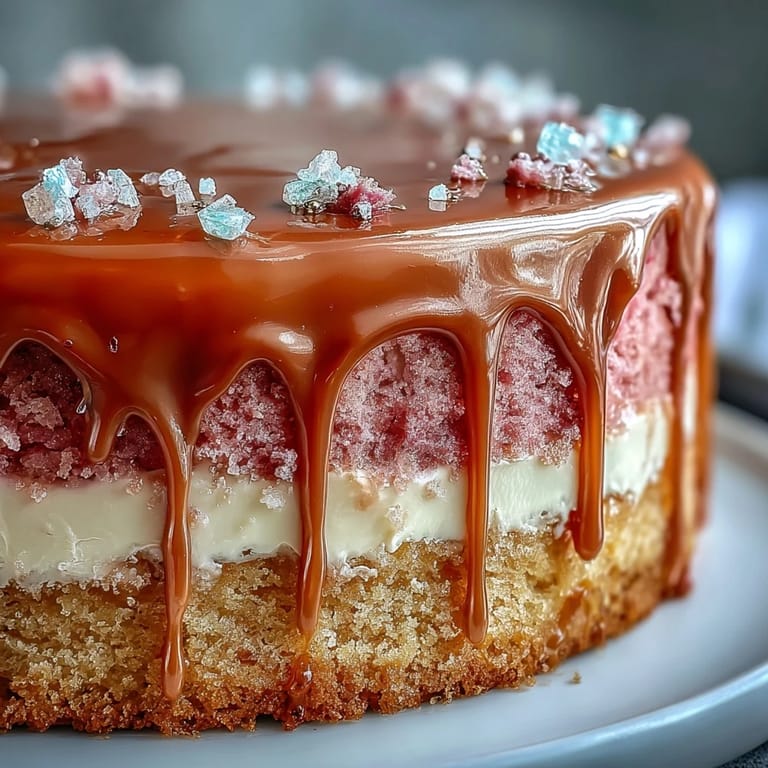
The first time I tried this drip, it ran everywhere—I learned that timing is everything with ganache. Letting your melted chocolate cool long enough to thicken is the secret to showstopping drips that stay put and gleam just right. A worn old paintbrush is perfect for swirling on the gold, but don&apost press too hard or it smudges. Steady hands help, but even wonky drips look intentional with a few edible flowers on top.
- If your ganache seems too thin, let it cool until just thicker than honey.
- Work fast after mixing the gold paint—evaporation happens quickly.
- Less is more: a few well-placed drips look more elegant than too many.
 Save Pin
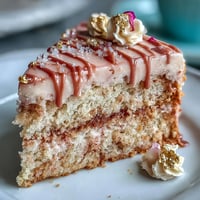
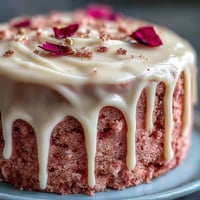
 Once you slice into this cake and see those bashful pink layers beneath a shimmer of gold, you might find yourself hunting for the next excuse to make it. It turns any day into a celebration—no wedding needed.
Recipe Questions
- → Can I make this without alcohol?
Yes. Substitute rosé with pink grape juice or sparkling cider in equal measure; the acidity in buttermilk still helps texture, so the crumb remains tender while keeping the fruity note.
- → How do I get an even pink hue without too much coloring?
Add pink gel a drop at a time to the batter after mixing wet and dry ingredients, stirring until you reach the desired blush. Natural blush from rosé can be enough if you prefer a subtle tone.
- → How can I ensure stable cream cheese frosting for stacking?
Use full-fat cream cheese and cold butter at room temperature; beat until smooth, add confectioners’ sugar gradually, and chill the filled layers for 30 minutes before crumb-coating to firm up the frosting.
- → What’s the best way to achieve a controlled gold drip?
Make a slightly loose white-chocolate ganache and cool to spoonable temperature. Chill the frosted cake first, then apply the ganache near the edge and let gravity create drips. Once set, mix gold luster dust with a few drops of vodka or lemon extract and paint the drips sparingly.
- → How far in advance can the layers be baked and assembled?
Bake layers a day ahead and wrap tightly once fully cooled. Assemble and frost on the day of serving for best texture; you can refrigerate a finished cake up to 48 hours, bringing it to room temperature before serving.
- → Any tips for even layers and smooth sides?
Weigh batter to divide evenly between pans, use an offset spatula for smoothing, and chill the stacked cake for a firm crumb coat before the final smoothing and decoration.