 Save Pin
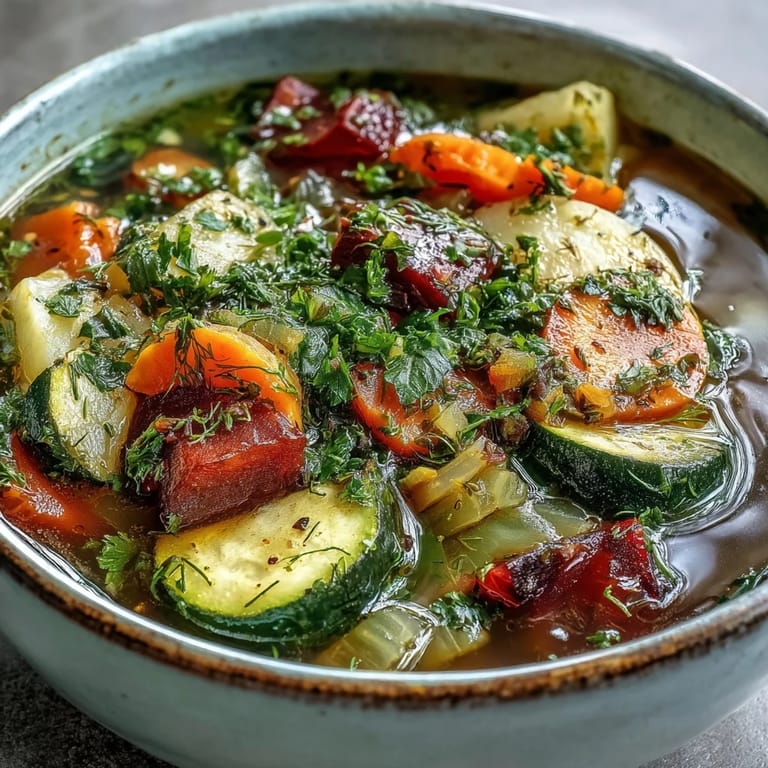
 My kitchen was quiet on a Tuesday morning when I decided to use up the vegetables wilting in my crisper drawer. What started as a practical cleanup turned into something I now make weekly—this luminous soup that seems to glow on the bowl. The colors alone tell you something good is happening: deep crimson from the beetroot bleeding into orange carrots, bright green pepper catching the light. My friend Sarah walked in halfway through cooking and just stood there breathing in, asking if I was opening a juice bar.
I made this for my partner after he mentioned feeling sluggish, and he actually asked for seconds—something that never happens with anything remotely healthy sounding. He slurped it down while reading the news, commenting that it didn't taste like "medicine soup," which I took as the highest compliment. That's when I realized this wasn't just another detox trend recipe; it was something genuinely delicious that happened to be good for you.
Ingredients
- Beetroot (1 medium, peeled and diced): Don't skip the peeling, but wear an apron or old shirt—the juice stains everything, and I learned this the expensive way with a favorite white sweater.
- Carrots (2 medium, peeled and sliced): Sweet carrots are your soup's foundation; the older, thinner ones can taste bitter, so look for firm ones with bright color.
- Courgette/Zucchini (1 medium, diced): This keeps the soup light and fresh; overcook it and it becomes mushy, so add it midway through cooking.
- Tomatoes (2 medium, chopped): Use whatever's in season—ripe farmers market tomatoes transform the entire flavor profile compared to pale supermarket ones.
- Green bell pepper (1, diced): The raw bite it brings balances the earthiness of the root vegetables beautifully.
- Red onion (1 small, finely chopped): Fresh red onion is sharper than yellow; it caramelizes differently and adds sweetness as it cooks down.
- Garlic (2 cloves, minced): Fresh garlic only here—jarred tastes tired and the whole point is bringing alive flavors into the pot.
- Vegetable broth (1.5 liters/6 cups, low sodium): Low sodium matters because you're seasoning it yourself; this gives you control.
- Fresh parsley, dill, and basil (2 tbsp, 1 tbsp, and 1 tbsp respectively): Add these at the end so they stay bright green and taste fresh, not cooked-down and dull.
- Olive oil (2 tbsp): Good olive oil matters more than you'd think for the initial sauté—it carries flavor.
- Lemon juice (from 1/2 lemon): This wakes everything up; don't use bottled, it tastes chemical and flat.
- Sea salt and black pepper (1 tsp each, or to taste): Taste as you go, particularly important with broth that varies by brand.
Tired of Takeout? 🥡
Get 10 meals you can make faster than delivery arrives. Seriously.
One email. No spam. Unsubscribe anytime.
Instructions
- Warm Your Base:
- Heat olive oil in a large pot over medium heat, watching for that subtle shimmer. When it's ready, add the red onion and garlic, stirring until the kitchen fills with that irresistible savory smell—about 2 to 3 minutes.
- Build the Foundation:
- Toss in the beetroot and carrots, letting them sauté for a full 5 minutes while you stir occasionally. This gentle cooking brings out their natural sweetness before the liquid joins them.
- Add the Brightness:
- Stir in the courgette, tomatoes, and green bell pepper, cooking for another 3 to 4 minutes until everything starts releasing its own juices. You'll notice the pot becoming more fragrant and colorful.
- Pour in the Liquid:
- Add your vegetable broth in one go and bring the whole thing to a rolling boil. Then turn the heat down to a gentle simmer right away—aggressive boiling toughens vegetables.
- The Long Simmer:
- Cover and let it bubble quietly for 20 to 25 minutes until every vegetable is tender enough to break apart with a spoon. This is when you can step away, grab a book, or just listen to it cooking.
- Finish with Life:
- Stir in the fresh herbs, lemon juice, salt, and black pepper, tasting as you go and adjusting to your preference. The herbs should brighten everything, and the lemon should make you notice flavors you didn't know were there.
- Serve with Intention:
- Ladle into bowls while it's still steaming, and if you want, scatter a few extra herb leaves on top. The aromatics that rise up with the steam are half the experience.
 Save Pin
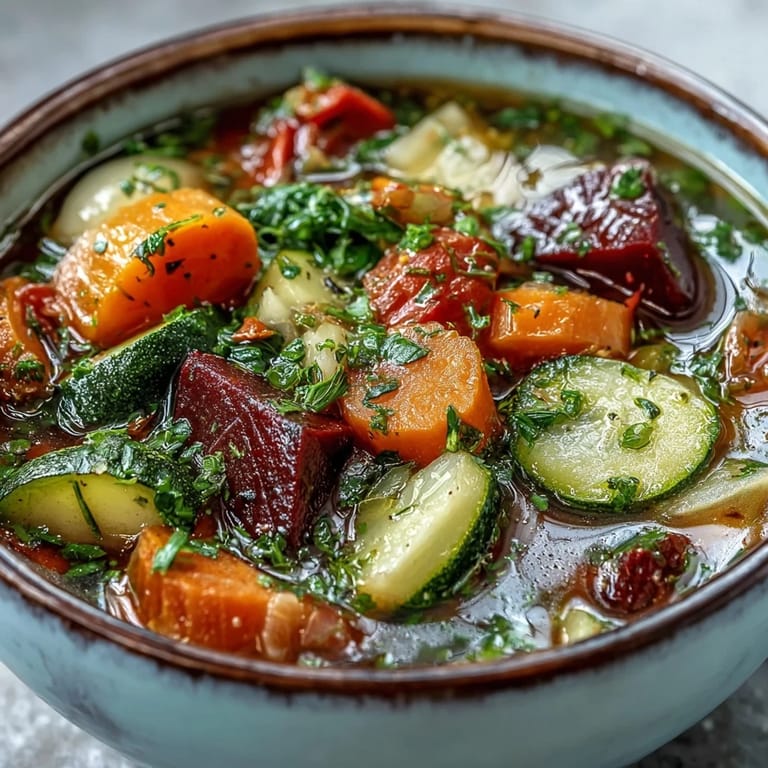
 There was an afternoon when my mother visited and I served her this soup without mentioning it was a detox thing—just said I'd made something. She went quiet for a moment after the first spoonful, then said it reminded her of the vegetable gardens her parents kept, which she hadn't thought about in decades. That's the real power of this soup: it tastes like care.
When to Add the Herbs
This is where most people go wrong, and I did too at first. I used to add parsley and basil early, thinking the longer they cooked, the more flavor would develop—but instead they turned dark green, lost their brightness, and became almost invisible in the finished soup. Now I add them in the last minute, and the difference is remarkable: they stay vibrant, taste fresh, and actually sing in your mouth. If you're using dried herbs because that's what you have, crumble them in earlier and use half the amount, since drying concentrates their flavor.
The Vegetable Swap Game
The beauty of this soup is that it's forgiving with substitutions. Don't have beetroot? Swap it for extra carrots or a handful of purple cabbage. No courgette? Celery or mushrooms work beautifully. The core idea is mixing earthy root vegetables with lighter vegetables and bright herbs—as long as you keep that balance, you'll land somewhere delicious. I've made this soup with whatever was cheapest at the farmers market, and every version has been good because the technique is sound.
Making It More Than Soup
This is technically a detox soup, but I've learned it's better when you don't think of it that way. Serve it with crusty bread and a sharp cheese, and suddenly it's comfort food. Blend half of it for a creamier texture without any cream—just silky vegetables. Add cooked lentils or chickpeas if you want it more substantial for dinner rather than a light lunch. Layer it into a bowl with a dollop of plant-based yogurt and fresh herbs for something that looks restaurant-quality and tastes even better.
- Cold leftovers become a refreshing chilled soup on hot days—just adjust the seasoning since flavors mute when cold.
- Freeze portions in containers and you have instant lunches that taste homemade, not like diet food.
- Serve it in mugs for casual eating, turning soup into something you can carry around your kitchen while you work.
 Save Pin
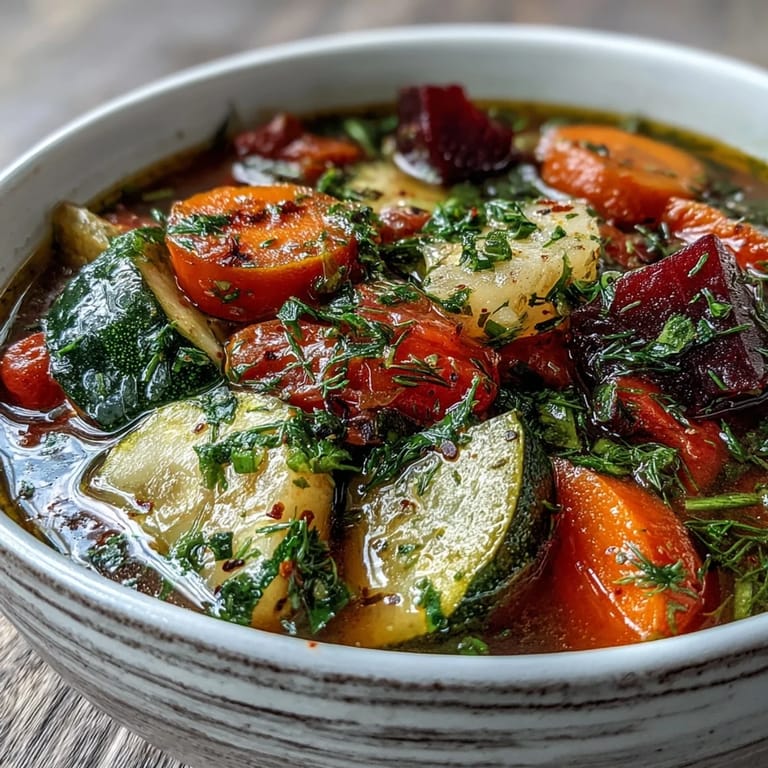
 This soup has become my answer to feeling like I need a reset—not because detox is magic, but because it's packed with real vegetables and tastes genuinely good. Make it once and it'll become part of your rotation without you even deciding to.
Recipe Questions
- → How long does this soup keep in the refrigerator?
This soup stores well in an airtight container for up to 4-5 days. The flavors actually develop and intensify over time, making it an excellent option for meal prep.
- → Can I freeze this soup?
Yes, this soup freezes beautifully. Allow it to cool completely before transferring to freezer-safe containers. It will keep for up to 3 months. Thaw overnight in the refrigerator before reheating.
- → What vegetables work best for the rainbow effect?
Beetroot provides deep red, carrots add orange, yellow bell peppers work alongside green ones for contrast, and courgette contributes subtle green tones. The key is cutting vegetables uniformly for even cooking.
- → How can I make this soup more filling?
Add cooked lentils, chickpeas, or white beans during the last 5 minutes of simmering. Serving with whole-grain bread or over cooked quinoa also transforms it into a more substantial meal.
- → Should I blend this soup?
It's entirely personal preference. For a rustic texture with distinct vegetable pieces, serve as-is. For a smoother consistency, blend partially or completely using an immersion or standard blender.